Key tips for insuring a newly built home
Updated September 16, 2026 . AmFam Team
Building a home is an exciting milestone. From choosing floor plans to picking finishes, every decision helps shape the space that you, your family, and your friends will soon fill with new memories.
But before you put the blueprints into action, it’s a good time to think about insurance. Depending on your policy, state, and timing, the right coverage may help protect your “dream in progress” during construction and after you move in.
Here are a few tips to keep in mind as you prepare your new home.
Use smart tech to help monitor and protect your new home
Do you need insurance for a home under construction?
Insurance can be an important part of protecting a home while it’s being built. Construction projects often involve changing timelines, materials on-site, and several people working on the property. That’s why it’s a good idea to talk to your American Family Insurance agent early in the process.
Your agent can help you review your plans, discuss timing, and explain available coverage options based on your situation.
How insurance considerations differ during new home construction
Coverage needs during construction may differ from the needs of a completed home. While a standard homeowners policy is designed for a finished, occupied home, a home under construction may involve different risks and considerations.
Because coverage options, eligibility, and endorsements can vary, it’s best to work with your American Family agent to understand what may be available for your build and when coverage should begin.
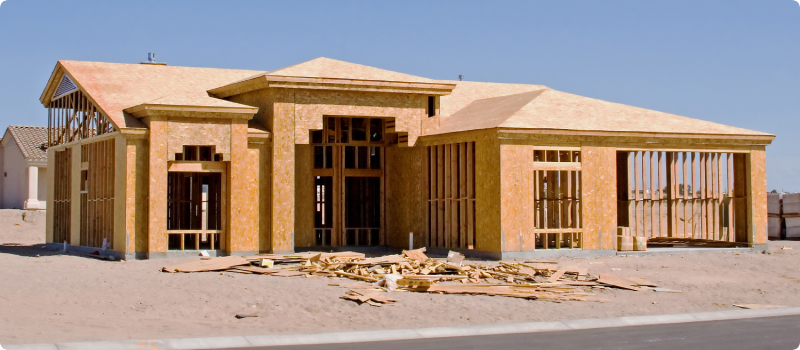
5 tips for insuring construction of your new home
Here are a few considerations to keep in mind when insuring your new home.
1. Start the insurance conversation early
Insurance should be part of your planning process from the beginning. Before construction starts, talk with your agent about your home’s location, features, and timeline. Early conversations can help you understand your options and avoid surprises later.
2. Review your builder’s coverage carefully
Your contractor may carry insurance for their business operations, but that doesn’t always mean your property and interests are protected. Ask questions and review the details with your agent so you understand where your builder’s coverage ends and where your own protection may begin.
3. Consider safety features as you build
A new build can be a smart time to think about features that help protect your home. Depending on your needs, that may include smoke and fire alarms, security devices, or water detection technology.
If you’re considering these features, your agent can discuss how they may affect available coverage options or if any related discounts are applicable and available in your state.
Learn more about smart home protection and discounts at American Family.
4. Create a home inventory now
A home inventory can make it easier to keep track of the items that matter most. As you choose appliances, fixtures, and personal belongings for your new home, consider creating a record with descriptions, receipts, and photos when available.
Our home inventory tips can help.
5. Review your policy after construction is complete
Once your home is finished, take time to go over your policy with your agent. Final construction details, features, and upgrades may affect your insurance needs. A post-construction review can help confirm your coverage still aligns with your home and how you plan to use it.
Planning ahead can help protect your new home
A new home is more than a construction project. It’s a place where goals take shape, routines begin, and dreams grow. Taking time to review your insurance options early can help you move forward with more confidence.
If you’re building a home, connect with your American Family agent to talk through your plans and coverage options.
This information represents only a brief description of coverages, is not part of your policy, and is not a promise or guarantee of coverage. If there is any conflict between this information and your policy, the provisions of the policy will prevail. Insurance policy terms and conditions may apply. Exclusions may apply to policies, endorsements, or riders. Coverage may vary by state and may be subject to change. Some products are not available in every state. Please read your policy and contact your agent for assistance.